
Let’s Talk… Learning Languages
Let’s Talk… Learning Languages

How do we create the conditions that allow learners to communicate with increasing confidence and spontaneity?
Let's Talk… about Learning Languages is more than a professional resource or educational publication; it is an invitation to continue an important conversation about how they should be taught according to how the brain learns them, and how educators can create learning experiences that foster confidence, communication, and joy.
Written in an accessible and conversational style, the book translates complex educational research into practical strategies and reflections that teachers can immediately apply within real classroom contexts. To further support implementation, the book includes practical classroom examples illustrating what teachers can say and how they can say it. By modelling teacher language, questioning techniques, and interaction strategies, the text translates research into visible classroom practice and helps educators bring NLA principles to life.

Are you a language teacher who wants to engage their students and support meaningful conversation?
You are working hard and experiencing frustration around student motivation, oral communication outcomes, increasing workload, and the challenge of creating meaningful language-learning experiences. And yet, traditional approaches often prioritize memorization, isolated vocabulary, and explicit knowledge over authentic communication.
If you are seeking an approach that aligns with how learners actually acquire language and that support meaningful communication while remaining practical and sustainable within everyday classrooms, this book is for you!
This book is also intended for administrators, instructional leaders, consultants and others who wish to better understand both the principles of NLA and how they come to life in the classroom. Because the approach looks different from traditional language instruction, it is important that all educational partners understand the research, rationale, and instructional decisions that underpin it. When teachers, school leaders, and families share a common understanding of language learning, they are better positioned to support student success.
As a language learner myself, I recognize that in order to learn how to speak in another language… you have to speak in that language!
Learning six languages has allowed me to experience language learning through multiple contexts: learning Croatian at home, learning English as an additional language, learning French through traditional Core French programs, developing oral fluency through studies in Paris, learning Spanish and Italian as an adult, and more recently learning Swedish using intentional NLA strategies.
These experiences provide both professional expertise and lived understanding of the challenges, emotions, and transformations language learners experience.

My first experience with training in the Neurolinguistic Approach (NLA) was both inspiring and transformative.
NLA changed not only the way I taught, but also the way I experienced teaching.
The joy returned to my classroom. I came to know my students more deeply and built meaningful relationships grounded in trust, communication, and shared growth. Students became more engaged, more willing to communicate in French, and even classroom behaviour improved. Those who had once been reluctant to participate eagerly began using the sentence structures they had learned and taking risks in the target language.


Antonia Cetín brings warmth, experience, and deep expertise to the world of French as a Second Language education.
A master French as an additional language teacher and instructional coach, Antonia has dedicated much of her career to supporting educators through instructional coaching, university teaching, professional learning, and the development and delivery of NLA and DELF training in Canada and abroad.
Antonia's philosophy of language teaching is rooted in the belief that language is acquired through meaningful use rather than through the study of language in isolation. She advocates for rich, authentic, and sustained exposure to the target language, where students learn by engaging in purposeful tasks, inquiry, and projects connected to their interests and experiences. Through these authentic learning opportunities, students develop communicative competence while also strengthening their ability to collaborate, mediate meaning, and think critically.
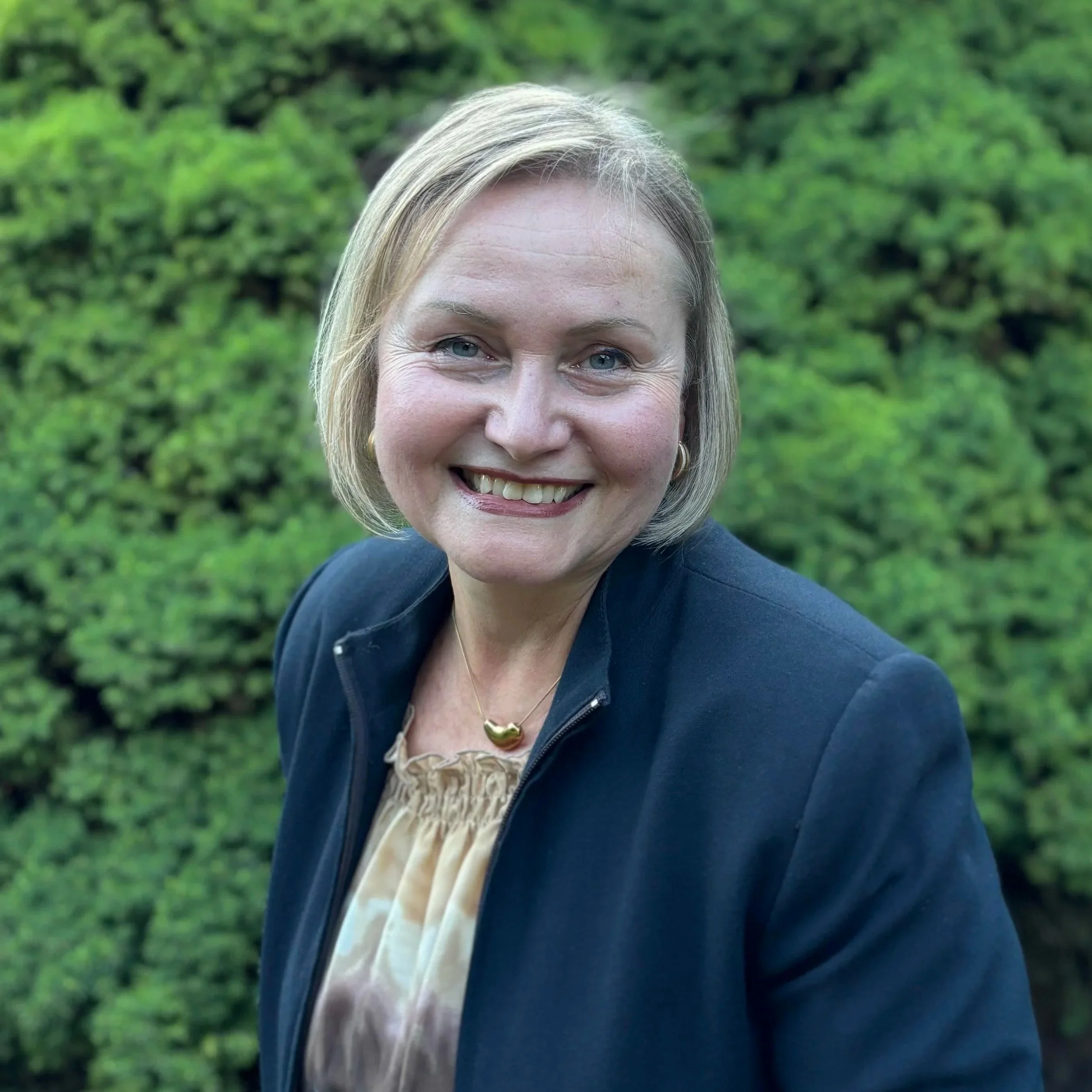
Antonia is deeply honoured to have received the Canadian Parents for French McGillivray Award (2022) and the Ontario Modern Language Teachers’ Association Lifetime Membership Award (2025), recognizing her outstanding contribution to French as a Second Language education in Ontario.